
The anchovies we serve at Can Lluís come from L'Escala, on the Costa Brava, a town that has lived from salt and oily fish for centuries. They are salted by Callol Serrats, a house that has worked with anchovies since 1847.
L'Escala was born in the 16th century as the small harbour of Empúries; its name comes from the Latin scala, harbour. But salting here is far older: a fish-salting factory from the 2nd century BC has been found at Empúries, and the Romans already made garum here, the most prized fish sauce of its time.
No salt, no anchovy. Next to the old harbour stands the Alfolí de la Sal, built in 1697: the town's salt store and maritime customs house. Salt and grain came in; salted fish and wine went out. Ships anchored off the beach and the salt was passed to the fishermen's boats. This trade made the town grow: in the 18th century it went from 390 to almost 1,400 inhabitants.
At the end of the 16th century, French fishermen brought the sardine net to the Gulf of Roses, and soon a net for anchovy followed. Boats went out at night, each with about five men. From 1920 came purse-seining with light: a boat with a lamp drew the fish in and the large boat closed the net around them.
The cotton nets were dyed by boiling them with pine bark on full-moon nights, when fishing was impossible, and the women sewed and mended them. Every day the boats were hauled up the sand by hand, to the cry of “Oi vara va!”. Hence the nickname of L'Escala's fishermen: esquenapelats, “peeled backs”. The new harbour only arrived in 1962.
Fish was sold right on the sand, in a falling-price auction: the auctioneer called the price downwards, “twenty-five, twenty-four, twenty-three…”, until someone shouted “Jo!” (“Me!”) and the lot was theirs.
As early as 1789 it was written that “in L'Escala much anchovy is caught”. By 1847 there were ten salting houses, and the town's master salters took the craft as far as Bermeo and Galicia. L'Escala anchovies travelled in chestnut barrels to Genoa, the great market of the time.
Today around eight workshops are still active, and more than two hundred people, most of them women, still salt by hand. L'Escala anchovy has Protected Geographical Indication, and every September the town celebrates its Anchovy Festival.
Anchovies are caught from April to September. At Callol Serrats everything is done by hand, with no machinery. First the esganyat: the head and guts are removed. Then the fish are laid in barrels of about 300 kilos, in concentric layers alternating with sea salt, with a weight on top to press them. They rest for three to six months at room temperature until they take on the reddish colour, aroma and flavour that make them unique. Finally they are washed, boned and covered in olive oil.
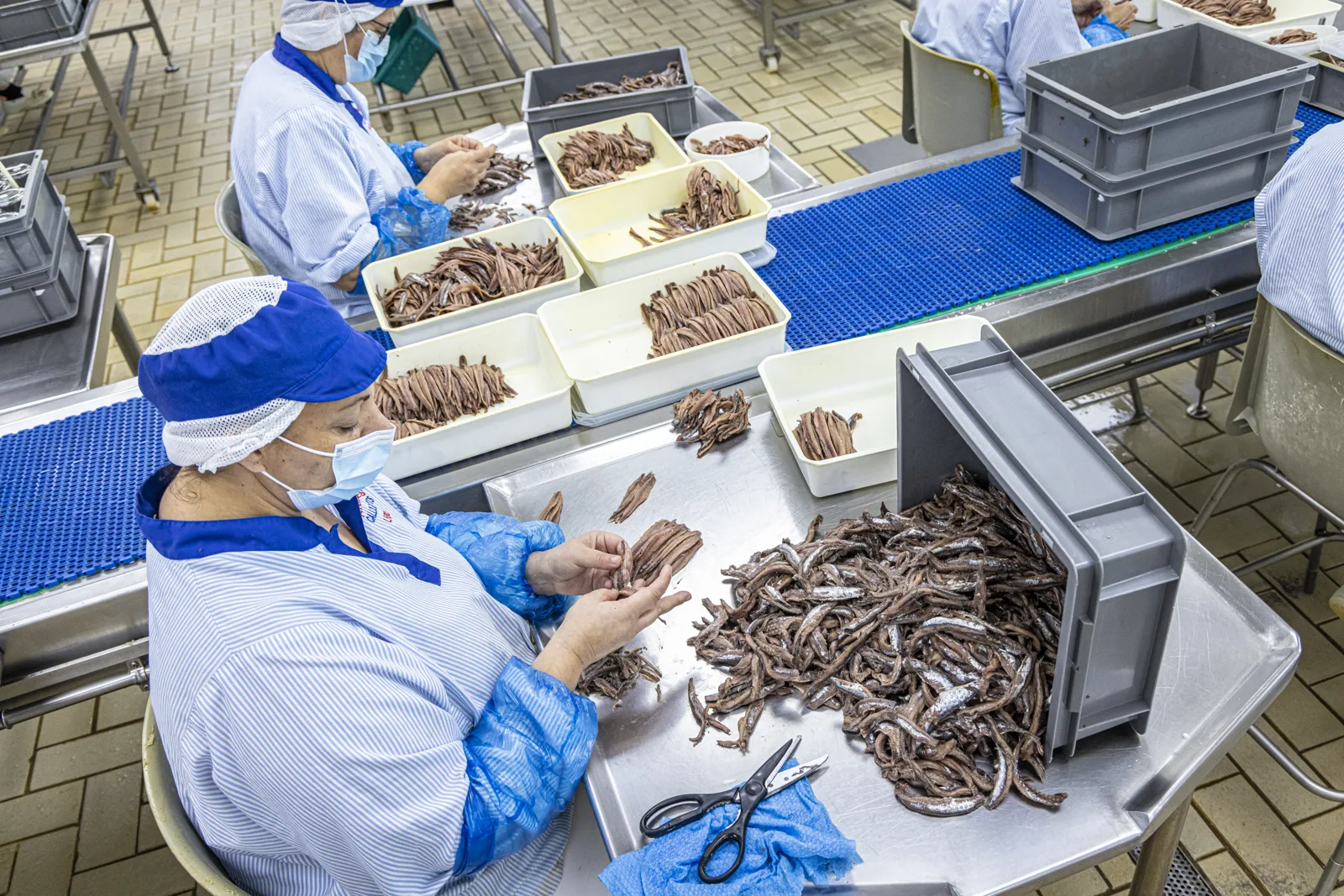
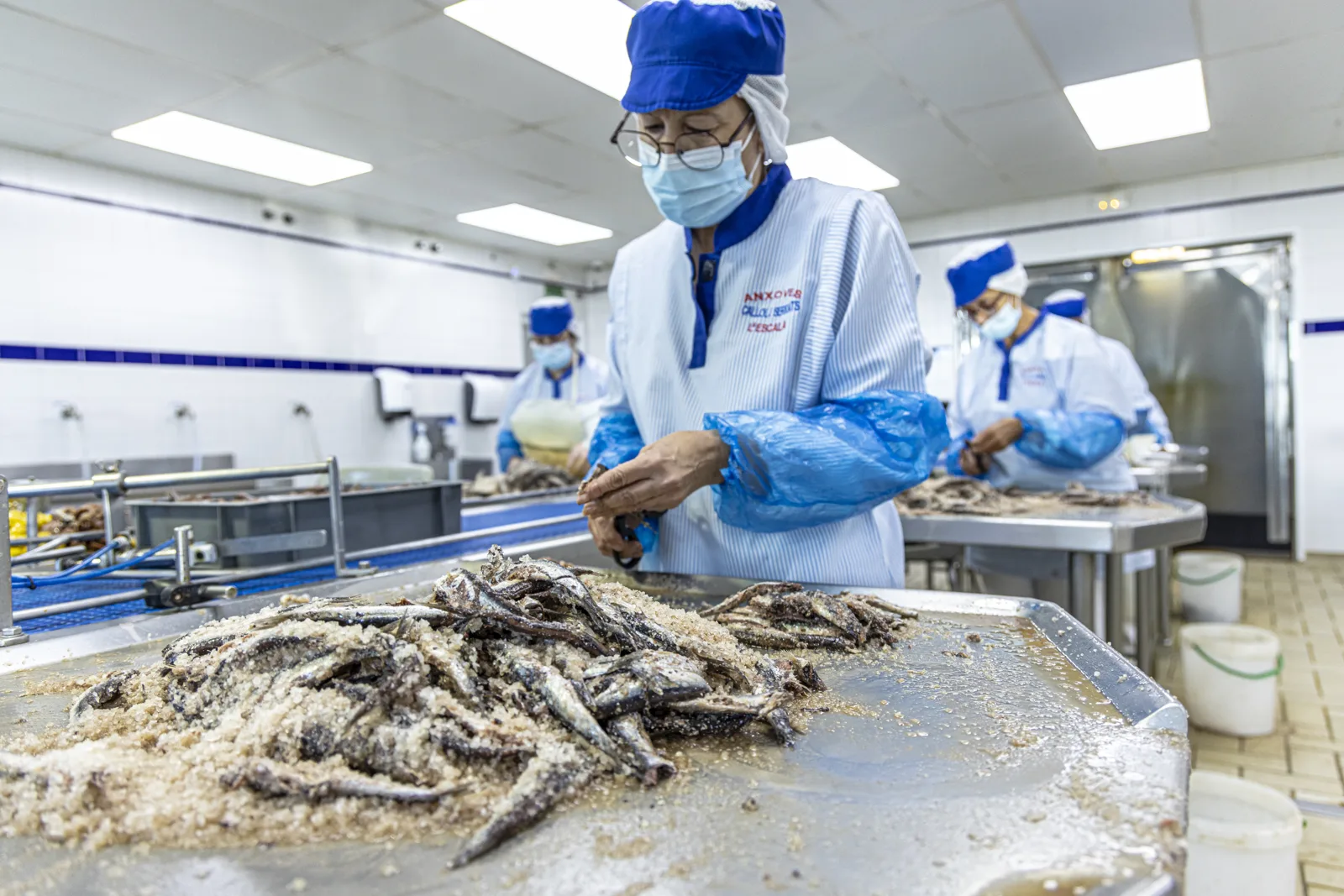
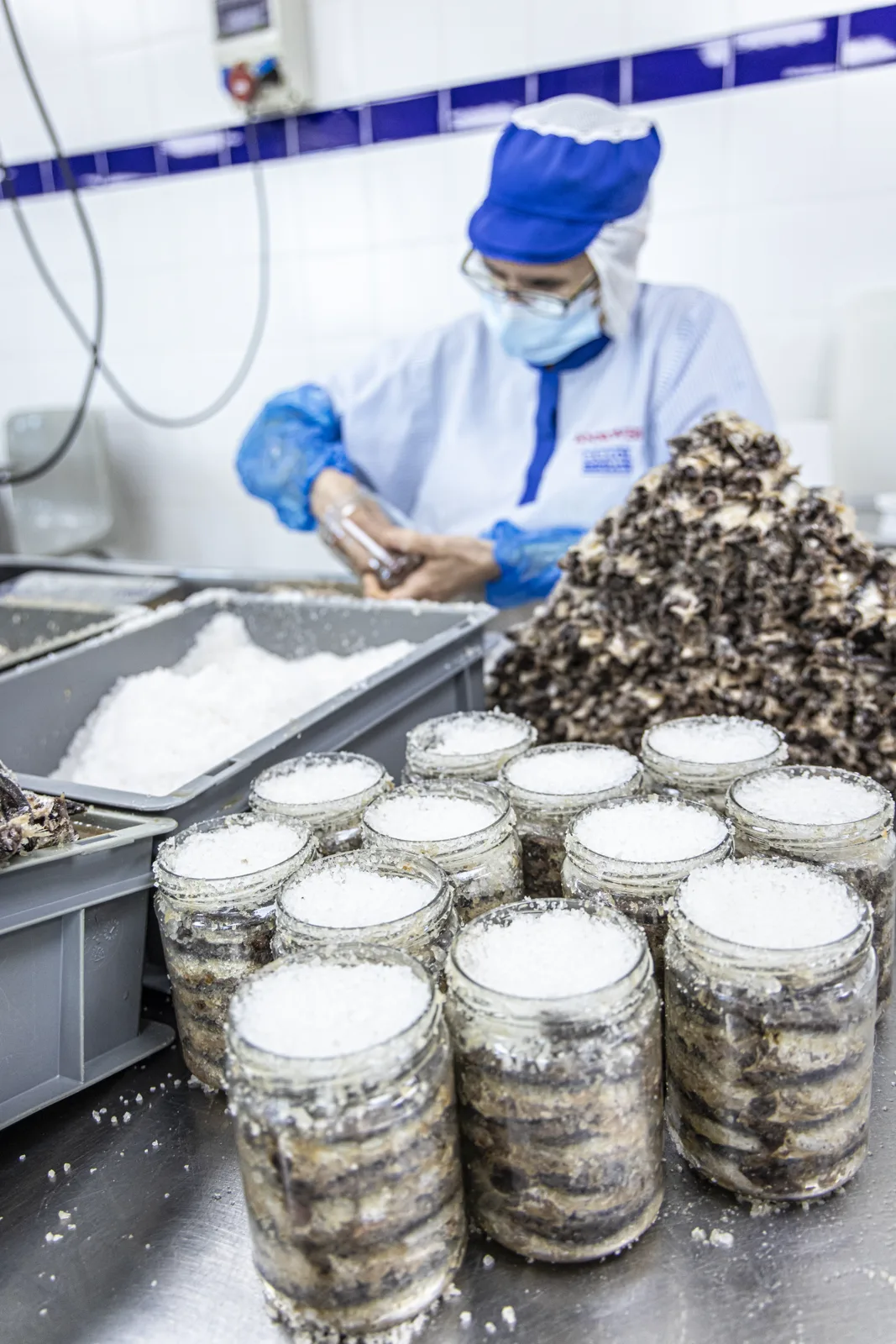
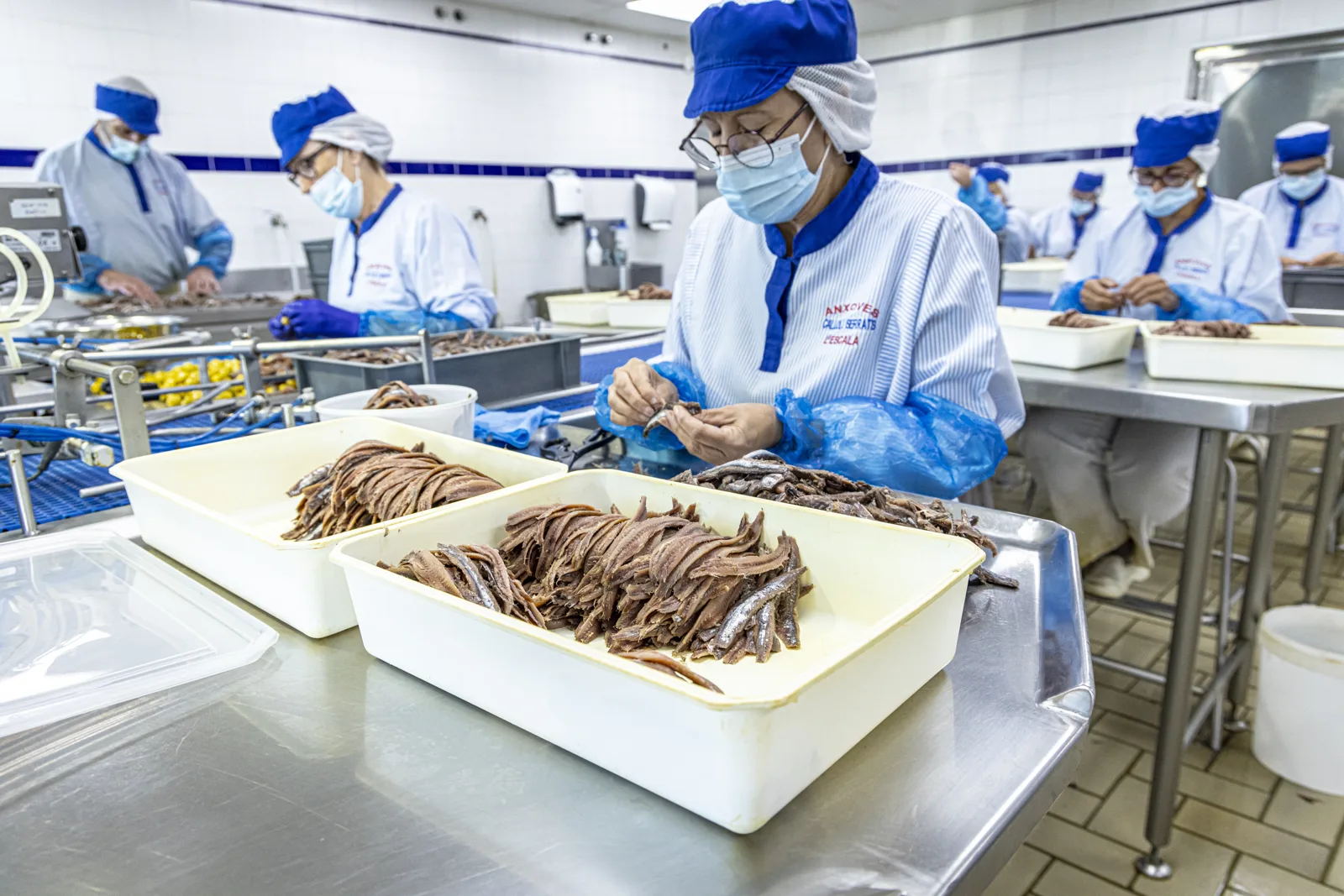
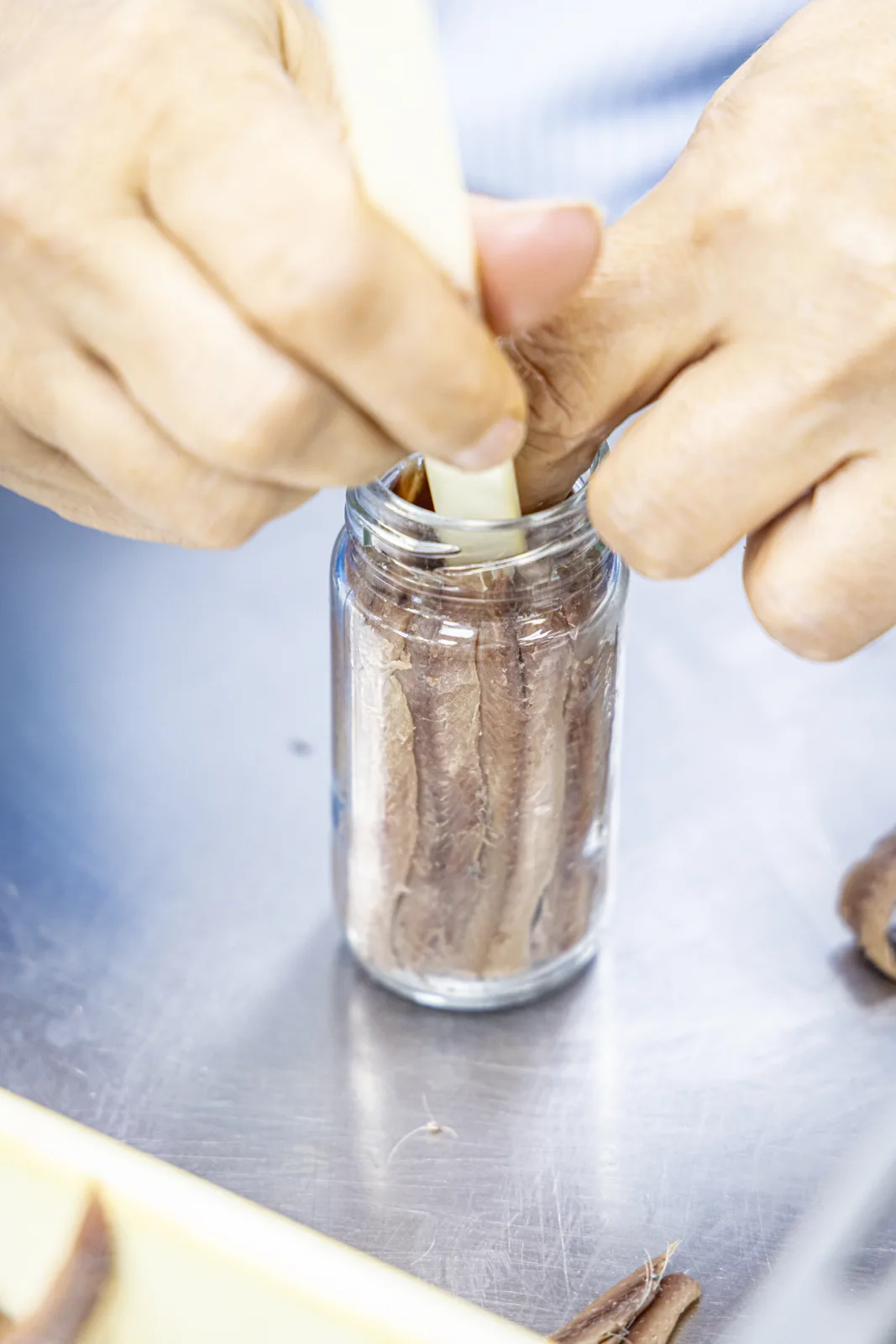
Callol Serrats is a family company that has salted anchovies in L'Escala since 1847, a date recorded in the municipal archive and by the Girona Chamber of Commerce. It is the oldest house in the trade still at work, and the craft has passed from parents to children. Their old factory on Carrer del Port d'en Perris is now the shop, where the wooden barrels, vats and old tools can still be seen. More at callolserrats.com.
How they eat them in L'Escala: the fillets with a drizzle of olive oil and bread with tomato; the oil left on the plate is for dipping the bread.


