
Can Lluís has always served the food and wine of this land. This list gathers the wines we love to pour every day: small family wineries, native grapes (xarel·lo, garnacha, carignan, trepat, picapoll, mandó) and every Catalan appellation, from Empordà to Terra Alta.
Tap the wines marked with + to meet the house behind them: where they come from, who makes them and what to pair them with. All the information comes from the wineries themselves.
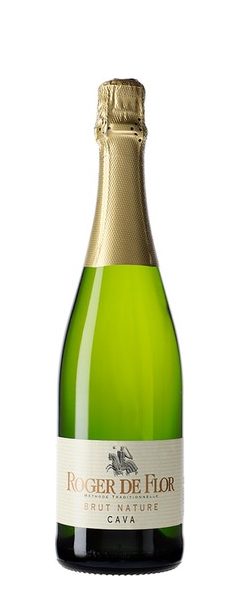 Roger de Flor Brut NatureCava · Macabeo, xarel·lo, parellada€3.85
Roger de Flor
Cava · Sant Sadurní d'Anoia
A cava from the Raventós Codorníu group in Sant Sadurní d'Anoia. There, in 1872, Josep Raventós made the first cava by the traditional method, with macabeo, xarel·lo and parellada. Its cellars, designed by Puig i Cadafalch, have been a national monument since 1976.
Brut nature, with no added sugar: fresh, clean and dry.
Our cava by the glass: for a toast, with aperitifs and to start the meal.
Roger de Flor was a Templar and a pirate. In 1303 he led 4,000 Catalan almogavars to Byzantium; he was murdered at a banquet in 1305, and the reply was the Catalan Vengeance.
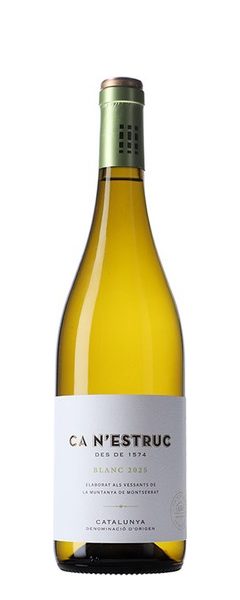 Ca N'Estruc BlancCatalonia · Xarel·lo, muscat, macabeo€3.95
Ca N'Estruc
Esparreguera · Montserrat · DO Catalunya
A farmhouse documented since 1574 at the foot of Montserrat: it turned 450 in 2024. It was farmland until the 1980s, when Siscu Martí turned it into vineyard and winery. It was the first winery registered in the DO Catalunya.
22 hectares of their own at 165 metres, on clay-limestone soils with gravel. Organic and biodynamic farming, hand harvest and yeasts from their own vineyard. The white shows pear, apple and lychee; the red, red berries, Mediterranean herbs and pepper.
This is our house wine, also served by the glass. The white and the rosé go with croquettes, squid and fish; the red with cured meats and grilled meat.
L'Equilibrista, the estate's flagship, rests for 14 months in French oak barrels from Allier.
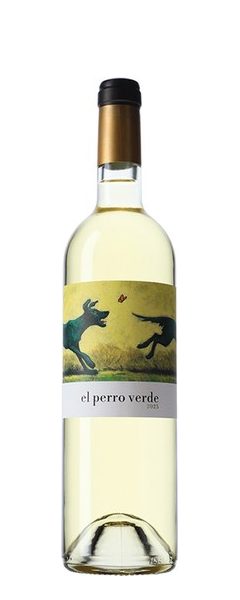 El Perro VerdeRueda · Verdejo€5.50
El Perro Verde
Rueda · DO Rueda
It was born in 2005 within Uvas Felices, Vila Viniteca's project with small wineries across Spain. Since the 2025 vintage it has been made in its own winery in the village of Rueda.
Vineyards at 700-800 metres on pebble, limestone and river-stone soils. Verdejo fermented in stainless steel: white pear, peach, tropical fruit; silky and fresh on the palate, with a long finish.
Aperitifs, seafood, mussels and rice dishes. Served at 6-8 degrees.
The label is the work of the Galician illustrator Miguelanxo Prado.
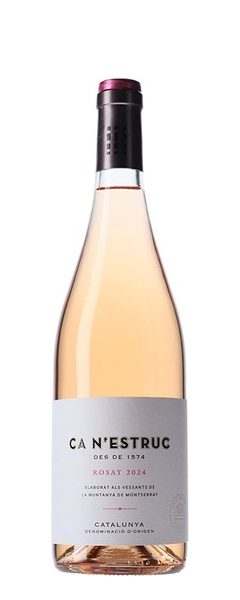 Ca N'Estruc RosatCatalonia · Garnacha, pale and dry€3.95
Ca N'Estruc
Esparreguera · Montserrat · DO Catalunya
A farmhouse documented since 1574 at the foot of Montserrat: it turned 450 in 2024. It was farmland until the 1980s, when Siscu Martí turned it into vineyard and winery. It was the first winery registered in the DO Catalunya.
22 hectares of their own at 165 metres, on clay-limestone soils with gravel. Organic and biodynamic farming, hand harvest and yeasts from their own vineyard. The white shows pear, apple and lychee; the red, red berries, Mediterranean herbs and pepper.
This is our house wine, also served by the glass. The white and the rosé go with croquettes, squid and fish; the red with cured meats and grilled meat.
L'Equilibrista, the estate's flagship, rests for 14 months in French oak barrels from Allier.
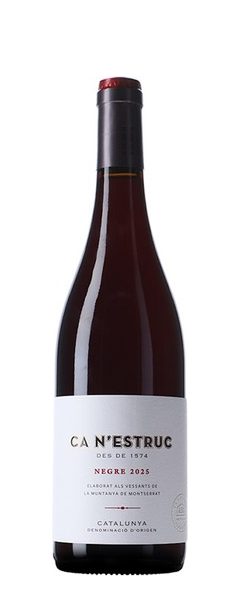 Ca N'Estruc NegreCatalonia · Garnacha, carignan, syrah€3.95
Ca N'Estruc
Esparreguera · Montserrat · DO Catalunya
A farmhouse documented since 1574 at the foot of Montserrat: it turned 450 in 2024. It was farmland until the 1980s, when Siscu Martí turned it into vineyard and winery. It was the first winery registered in the DO Catalunya.
22 hectares of their own at 165 metres, on clay-limestone soils with gravel. Organic and biodynamic farming, hand harvest and yeasts from their own vineyard. The white shows pear, apple and lychee; the red, red berries, Mediterranean herbs and pepper.
This is our house wine, also served by the glass. The white and the rosé go with croquettes, squid and fish; the red with cured meats and grilled meat.
L'Equilibrista, the estate's flagship, rests for 14 months in French oak barrels from Allier.
 Capçanes Mas ColletMontsant · Garnacha, carignan, tempranillo€4.00
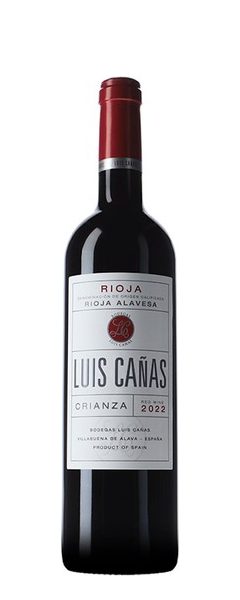 Luis Cañas CrianzaRioja · Tempranillo, garnacha€5.90
Luis Cañas
Villabuena de Álava · Rioja Alavesa
For over a century the family made young wine in the Cueva de los Curas. Luis Cañas (1928-2019) began bottling in 1970; in 1989 his son Juan Luis took over and focused on oak-aged wines.
Sheltered by the Sierra de Cantabria: some 450 hectares in over 1,000 plots on slopes of poor clay-limestone soil. Double selection, bunch by bunch and berry by berry. Red fruit, gentle spice, a sweet attack and a round finish.
Lamb and kid goat, grilled meat and cured meats. Served at about 16 degrees.
Carlos Cañas, the founder's father, carried the wine by mule cart to Bilbao and San Sebastián, more than 100 km away.
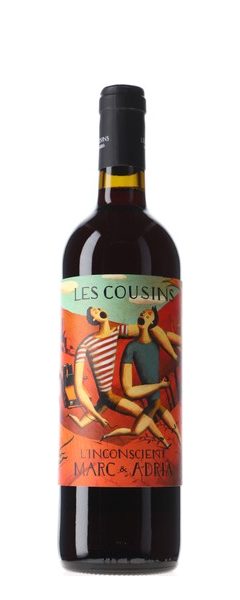 Les Cousins L'InconscientPriorat · Carignan, garnacha, cabernet€6.10
Les Cousins
Porrera · DOQ Priorat
Marc and Adrià Pérez, cousins of the same age, grew up between the family wineries Mas Martinet and Cims de Porrera and trained in Bordeaux and the Rhone valley. In 2007 they bought grapes from Porrera growers and made their first wine; L'Inconscient followed in 2008.
They make their wines in Porrera, one of the historic villages of the Priorat, without a winery of their own. L'Inévitable shows red and forest fruit over a spicy background; juicy, with silky tannins and a mineral finish.
Cured meats, semi-cured cheeses, meat and our slow-cooked dishes, such as the tender pork.
Beyond the Priorat, they run projects with friends in Alicante (La Muntanya) and in Montsant (Amics del Gobe).
Roger de Flor Brut NatureCava · Macabeo, xarel·lo, parellada€16.50glass €3.85Roger de Flor
Cava · Sant Sadurní d'Anoia
A cava from the Raventós Codorníu group in Sant Sadurní d'Anoia. There, in 1872, Josep Raventós made the first cava by the traditional method, with macabeo, xarel·lo and parellada. Its cellars, designed by Puig i Cadafalch, have been a national monument since 1976.
Brut nature, with no added sugar: fresh, clean and dry.
Our cava by the glass: for a toast, with aperitifs and to start the meal.
Roger de Flor was a Templar and a pirate. In 1303 he led 4,000 Catalan almogavars to Byzantium; he was murdered at a banquet in 1305, and the reply was the Catalan Vengeance.
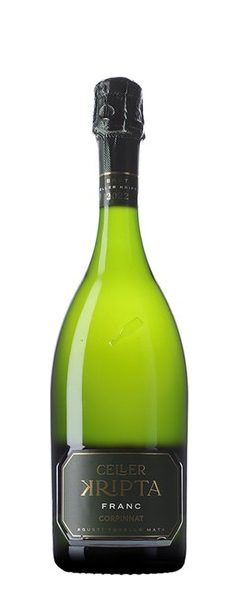 Celler Kripta FrancCorpinnat · Macabeo, parellada, xarel·lo€26.80
Celler Kripta
Sant Sadurní d'Anoia · Corpinnat
The Torelló Mata family winery. Agustí Torelló Mata made the first Kripta in 1978 and opened the current cellars in 1986. The third generation runs it today. In 2025 it joined Corpinnat.
All grapes are organic and picked by hand. Franc is their brut reserva, made from macabeo, xarel·lo and parellada.
For a toast, with aperitifs and with seafood.
The Kripta bottle is shaped like an amphora, as a tribute to Rome, and they were the first to print on every bottle the date its ageing ended.
 Torelló Brut ReservaCava · Macabeo, xarel·lo, parellada€30.50
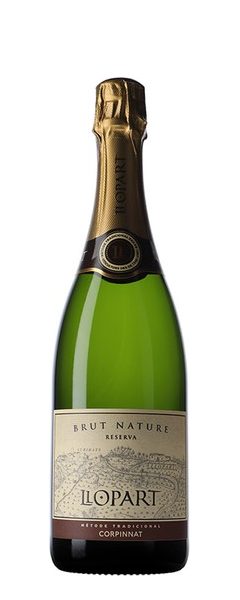 Llopart Brut Nature ReservaCorpinnat · Xarel·lo, macabeo, parellada€31.50
Llopart
Subirats · Corpinnat
A Latin document from 1385 grants vineyards to Bernardus Leopardi, an ancestor of the family. The first Llopart sparkling wine dates from 1887. They co-founded Corpinnat and received the Creu de Sant Jordi in 2017.
The Can Llopart estate: 102 hectares of organic mountain vineyards at almost 400 metres, on limestone with marine fossils 16 million years old. Hand harvest. A dry, light brut nature with fine bubbles; a rosé of forest fruits with good structure.
Aperitifs, seafood, sea urchin gratin and fish.
The 2025 harvest was the family's 640th.
 Raventós i Blanc Blanc de BlancsConca del Riu Anoia · Xarel·lo, macabeo, parellada€32.50
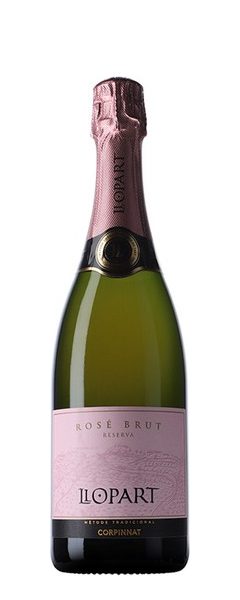 Llopart Brut Rosé ReservaCorpinnat · Monastrell, garnacha€34.50
Llopart
Subirats · Corpinnat
A Latin document from 1385 grants vineyards to Bernardus Leopardi, an ancestor of the family. The first Llopart sparkling wine dates from 1887. They co-founded Corpinnat and received the Creu de Sant Jordi in 2017.
The Can Llopart estate: 102 hectares of organic mountain vineyards at almost 400 metres, on limestone with marine fossils 16 million years old. Hand harvest. A dry, light brut nature with fine bubbles; a rosé of forest fruits with good structure.
Aperitifs, seafood, sea urchin gratin and fish.
The 2025 harvest was the family's 640th.
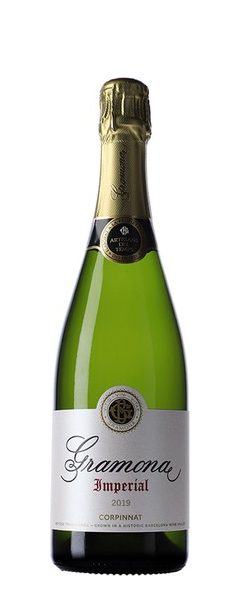 Gramona Imperial BrutCorpinnat · Xarel·lo, macabeo, chardonnay€45.00
Gramona
Sant Sadurní d'Anoia · Corpinnat
In 1881 Pau Batlle founded his winery; his daughter Pilar married Bartolomé Gramona, and the Gramona sparkling wines were born in the early 20th century. Pioneers of long ageing, the house is run today by the fifth and sixth generations.
Biodynamic vineyards, Demeter certified since 2014: they plough with horses, follow the lunar calendar and keep their own farm. Gessamí, Catalan for jasmine, smells of white flowers, pineapple and peach; Imperial is creamy, with very fine bubbles.
Gessamí with fish, vegetables and spiced dishes; Imperial from the aperitif to dessert.
The first III Lustros, one of their longest-aged sparkling wines, was made in 1951 and not released until 1961.
 Recaredo Terrers Brut NatureCorpinnat · Xarel·lo, macabeo, parellada€49.50
 Larmandier-Bernier Longitude Blanc de BlancsChampagne · Chardonnay, premier cru€102.00Ca N'Estruc RosatCatalonia · Garnacha, pale and dry€17.50glass €3.95
Ca N'Estruc
Esparreguera · Montserrat · DO Catalunya
A farmhouse documented since 1574 at the foot of Montserrat: it turned 450 in 2024. It was farmland until the 1980s, when Siscu Martí turned it into vineyard and winery. It was the first winery registered in the DO Catalunya.
22 hectares of their own at 165 metres, on clay-limestone soils with gravel. Organic and biodynamic farming, hand harvest and yeasts from their own vineyard. The white shows pear, apple and lychee; the red, red berries, Mediterranean herbs and pepper.
This is our house wine, also served by the glass. The white and the rosé go with croquettes, squid and fish; the red with cured meats and grilled meat.
L'Equilibrista, the estate's flagship, rests for 14 months in French oak barrels from Allier.
 Celler Credo 'And the Winner Is'Penedès · Xarel·lo vermell€18.00
 Mas Comtal Rosat de LlàgrimaPenedès · Free-run rosé, fresh€21.50
 Chivite Las Fincas RosadoNavarra · Garnacha, tempranillo€23.00Ca N'Estruc BlancCatalonia · Xarel·lo, muscat, macabeo€17.50glass €3.95
Ca N'Estruc
Esparreguera · Montserrat · DO Catalunya
A farmhouse documented since 1574 at the foot of Montserrat: it turned 450 in 2024. It was farmland until the 1980s, when Siscu Martí turned it into vineyard and winery. It was the first winery registered in the DO Catalunya.
22 hectares of their own at 165 metres, on clay-limestone soils with gravel. Organic and biodynamic farming, hand harvest and yeasts from their own vineyard. The white shows pear, apple and lychee; the red, red berries, Mediterranean herbs and pepper.
This is our house wine, also served by the glass. The white and the rosé go with croquettes, squid and fish; the red with cured meats and grilled meat.
L'Equilibrista, the estate's flagship, rests for 14 months in French oak barrels from Allier.
 La Vinyeta Els Monos BlancEmpordà · White garnacha, macabeo€19.50
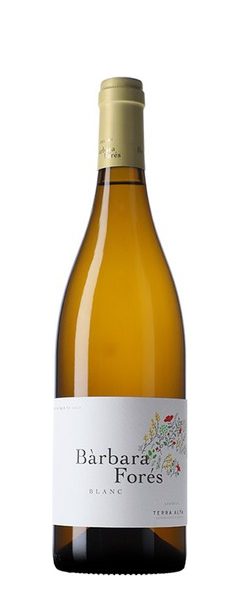 Bàrbara Forés BlancTerra Alta · White garnacha, viognier€20.00
Bàrbara Forés
Gandesa · DO Terra Alta
Bàrbara Forés was born in Gandesa in 1828. Her son Rafael Ferrer Forés, a chemist and grower, began bottling at the end of the 19th century. In the 1990s Carmen Ferrer and Manolo Sanmartín bet on white grenache; since 2014 Pili Sanmartín, the sixth generation, has made the wines.
Dry-farmed vineyards among olive trees, cereal fields and dry-stone walls, with plenty of sun and little rain. Organic farming. The white rests on its lees; the red has ripe red fruit, spice and a mineral touch.
The white with fish, rice and vegetables; the red with meat and cured meats.
The winery is named after a woman born in 1828, and today the wine is made by her descendant, the sixth generation.
 Cara Nord BlancConca de Barberà · Macabeo, white garnacha€22.50
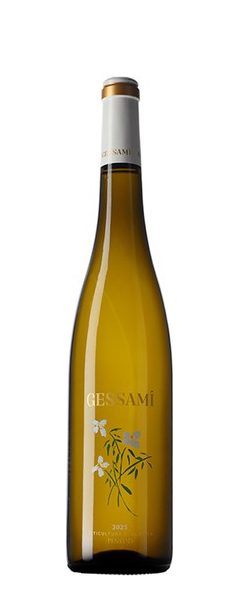 Gramona GessamíPenedès · Muscat, sauvignon blanc, gewurztraminer€26.00
Gramona
Sant Sadurní d'Anoia · Corpinnat
In 1881 Pau Batlle founded his winery; his daughter Pilar married Bartolomé Gramona, and the Gramona sparkling wines were born in the early 20th century. Pioneers of long ageing, the house is run today by the fifth and sixth generations.
Biodynamic vineyards, Demeter certified since 2014: they plough with horses, follow the lunar calendar and keep their own farm. Gessamí, Catalan for jasmine, smells of white flowers, pineapple and peach; Imperial is creamy, with very fine bubbles.
Gessamí with fish, vegetables and spiced dishes; Imperial from the aperitif to dessert.
The first III Lustros, one of their longest-aged sparkling wines, was made in 1951 and not released until 1961.
 Foresta Bosc del CalauPenedès · Xarel·lo€21.00
 Celler Pardas RupestrisPenedès · Xarel·lo, Sitges malvasia€26.50
 Can Matons Pansa BlancaAlella · Pansa blanca on sauló sand€27.00
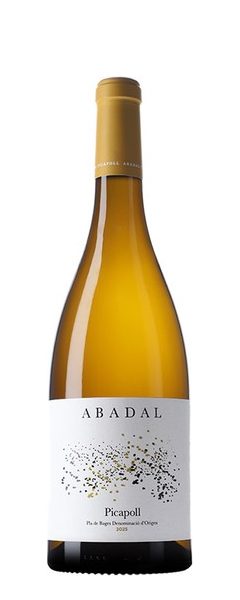 Abadal PicapollPla de Bages · Picapoll, native grape€27.50
Abadal
Avinyó · DO Pla de Bages
The Roqueta family appears as winegrowers in documents from 1199. Valentí Roqueta founded Abadal in 1983 and chaired the DO Pla de Bages, created in 1995. In 1996 they released the first wine made only from picapoll.
Small plots and terraces surrounded by holm oaks, oaks and pines, on stony clay-limestone soils. Picapoll: citrus, pineapple, fennel and lavender. Mandó, from 50-60-year-old vines: flowers, spice and liquorice.
Picapoll with fish, seafood and rice; Mandó with surf-and-turf rice, mushrooms and meat.
Two donkeys, Torrent and Aya, help to look after the estate's landscape.
 Celler Credo MiraniusPenedès · Biodynamic xarel·lo, unoaked€28.50
 Acústic BlancMontsant · White garnacha, old vines€27.50
 Avgvstvs ChardonnayPenedès · Barrel-fermented chardonnay€36.00
 La Conreria d'Scala Dei Les BrugueresPriorat · White garnacha on llicorella slate€42.00
 Mas Doix MurmuriPriorat · White garnacha, macabeo, xarel·lo€40.00
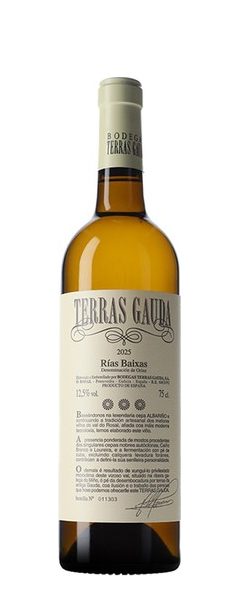 Terras GaudaRías Baixas · Albariño, loureiro, caíño€29.50
Terras Gauda
O Rosal · DO Rías Baixas
Founded in 1989 by José María Fonseca in the O Rosal valley, by the mouth of the river Miño. In 1993 it made the DO's first barrel-fermented wine, and in 2011 it revived caíño blanco, a grape that had nearly disappeared.
River terraces over slate, rare in a land of granite, at 50-150 metres. Each grape adds its part: albariño the fruit, caíño the structure, loureiro the flowers. Peach, mandarin and lychee over a saline, mineral background.
Seafood, mussels, fish and rice dishes. Served at 10-12 degrees.
They ferment with their own yeasts, isolated from their own vineyards.
El Perro VerdeRueda · Verdejo€22.00glass €5.50El Perro Verde
Rueda · DO Rueda
It was born in 2005 within Uvas Felices, Vila Viniteca's project with small wineries across Spain. Since the 2025 vintage it has been made in its own winery in the village of Rueda.
Vineyards at 700-800 metres on pebble, limestone and river-stone soils. Verdejo fermented in stainless steel: white pear, peach, tropical fruit; silky and fresh on the palate, with a long finish.
Aperitifs, seafood, mussels and rice dishes. Served at 6-8 degrees.
The label is the work of the Galician illustrator Miguelanxo Prado.
Ca N'Estruc NegreCatalonia · Garnacha, carignan, syrah€17.50glass €3.95Ca N'Estruc
Esparreguera · Montserrat · DO Catalunya
A farmhouse documented since 1574 at the foot of Montserrat: it turned 450 in 2024. It was farmland until the 1980s, when Siscu Martí turned it into vineyard and winery. It was the first winery registered in the DO Catalunya.
22 hectares of their own at 165 metres, on clay-limestone soils with gravel. Organic and biodynamic farming, hand harvest and yeasts from their own vineyard. The white shows pear, apple and lychee; the red, red berries, Mediterranean herbs and pepper.
This is our house wine, also served by the glass. The white and the rosé go with croquettes, squid and fish; the red with cured meats and grilled meat.
L'Equilibrista, the estate's flagship, rests for 14 months in French oak barrels from Allier.
Capçanes Mas ColletMontsant · Garnacha, carignan, tempranillo€18.00glass €4.00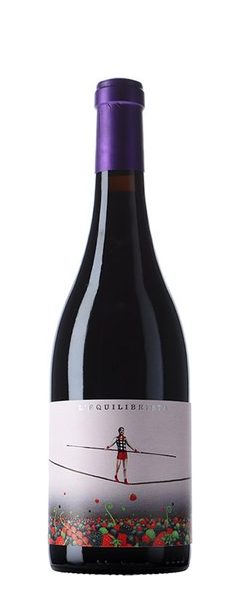 Ca N'Estruc L'EquilibristaCatalonia · Garnacha, syrah, old vines€27.50
Ca N'Estruc
Esparreguera · Montserrat · DO Catalunya
A farmhouse documented since 1574 at the foot of Montserrat: it turned 450 in 2024. It was farmland until the 1980s, when Siscu Martí turned it into vineyard and winery. It was the first winery registered in the DO Catalunya.
22 hectares of their own at 165 metres, on clay-limestone soils with gravel. Organic and biodynamic farming, hand harvest and yeasts from their own vineyard. The white shows pear, apple and lychee; the red, red berries, Mediterranean herbs and pepper.
This is our house wine, also served by the glass. The white and the rosé go with croquettes, squid and fish; the red with cured meats and grilled meat.
L'Equilibrista, the estate's flagship, rests for 14 months in French oak barrels from Allier.
 Espelt SaulóEmpordà · Garnacha, carignan, young€17.50
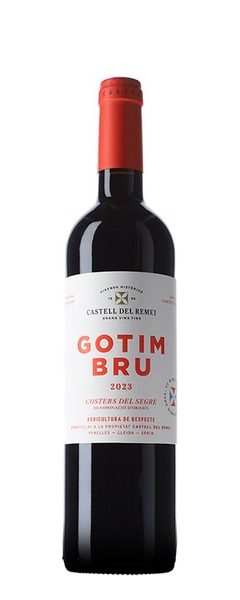 Castell del Remei Gotim BruCosters del Segre · Garnacha, tempranillo, syrah€19.00
Castell del Remei
Penelles · DO Costers del Segre
Wine has been made on the estate since Roman times, with records dating from 1780. It was the first Catalan winery built on the Bordeaux model and a pioneer in bringing cabernet sauvignon to Spain. Since 1982 it has belonged to the Cusiné family.
100 hectares between the plain and the hills, at 250-800 metres, with cold winters, hot summers and little rain. Gotim Bru: red fruit, spice and thyme, soft tannins. Oda: black fruit, cedar and balsamic notes.
Gotim Bru for every day; Oda with meat, lamb and stews.
In 1923, at Albert Einstein's farewell dinner in Barcelona, a wine from Remei was served.
Les Cousins L'InconscientPriorat · Carignan, garnacha, cabernet€24.00glass €6.10Les Cousins
Porrera · DOQ Priorat
Marc and Adrià Pérez, cousins of the same age, grew up between the family wineries Mas Martinet and Cims de Porrera and trained in Bordeaux and the Rhone valley. In 2007 they bought grapes from Porrera growers and made their first wine; L'Inconscient followed in 2008.
They make their wines in Porrera, one of the historic villages of the Priorat, without a winery of their own. L'Inévitable shows red and forest fruit over a spicy background; juicy, with silky tannins and a mineral finish.
Cured meats, semi-cured cheeses, meat and our slow-cooked dishes, such as the tender pork.
Beyond the Priorat, they run projects with friends in Alicante (La Muntanya) and in Montsant (Amics del Gobe).
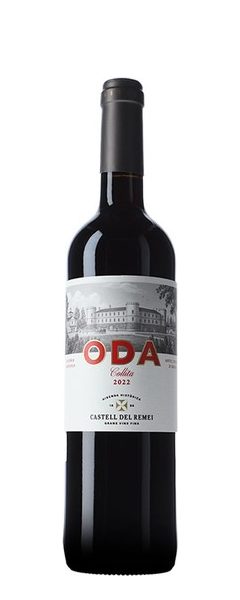 Castell del Remei OdaCosters del Segre · Merlot, cabernet, tempranillo€26.50
Castell del Remei
Penelles · DO Costers del Segre
Wine has been made on the estate since Roman times, with records dating from 1780. It was the first Catalan winery built on the Bordeaux model and a pioneer in bringing cabernet sauvignon to Spain. Since 1982 it has belonged to the Cusiné family.
100 hectares between the plain and the hills, at 250-800 metres, with cold winters, hot summers and little rain. Gotim Bru: red fruit, spice and thyme, soft tannins. Oda: black fruit, cedar and balsamic notes.
Gotim Bru for every day; Oda with meat, lamb and stews.
In 1923, at Albert Einstein's farewell dinner in Barcelona, a wine from Remei was served.
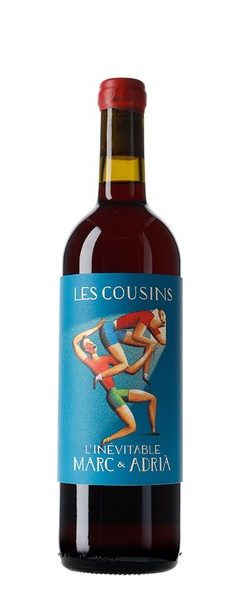 Les Cousins L'InévitablePriorat · Garnacha, merlot, viognier€27.00
Les Cousins
Porrera · DOQ Priorat
Marc and Adrià Pérez, cousins of the same age, grew up between the family wineries Mas Martinet and Cims de Porrera and trained in Bordeaux and the Rhone valley. In 2007 they bought grapes from Porrera growers and made their first wine; L'Inconscient followed in 2008.
They make their wines in Porrera, one of the historic villages of the Priorat, without a winery of their own. L'Inévitable shows red and forest fruit over a spicy background; juicy, with silky tannins and a mineral finish.
Cured meats, semi-cured cheeses, meat and our slow-cooked dishes, such as the tender pork.
Beyond the Priorat, they run projects with friends in Alicante (La Muntanya) and in Montsant (Amics del Gobe).
 Celler Martí Fabra Selecció Vinyes VellesEmpordà · Syrah, cabernet, tempranillo€24.50
 Cérvoles GarnatxaCosters del Segre · Mountain garnacha€28.50
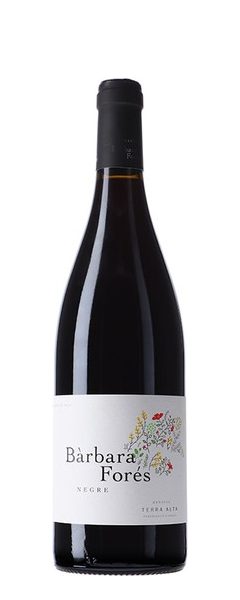 Bàrbara Forés NegreTerra Alta · Garnacha, carignan, syrah€25.00
Bàrbara Forés
Gandesa · DO Terra Alta
Bàrbara Forés was born in Gandesa in 1828. Her son Rafael Ferrer Forés, a chemist and grower, began bottling at the end of the 19th century. In the 1990s Carmen Ferrer and Manolo Sanmartín bet on white grenache; since 2014 Pili Sanmartín, the sixth generation, has made the wines.
Dry-farmed vineyards among olive trees, cereal fields and dry-stone walls, with plenty of sun and little rain. Organic farming. The white rests on its lees; the red has ripe red fruit, spice and a mineral touch.
The white with fish, rice and vegetables; the red with meat and cured meats.
The winery is named after a woman born in 1828, and today the wine is made by her descendant, the sixth generation.
 Tomàs Cusiné VilosellCosters del Segre · Tempranillo, syrah, merlot€25.00
 Josep Foraster TrepatConca de Barberà · Trepat, light and fresh€27.50
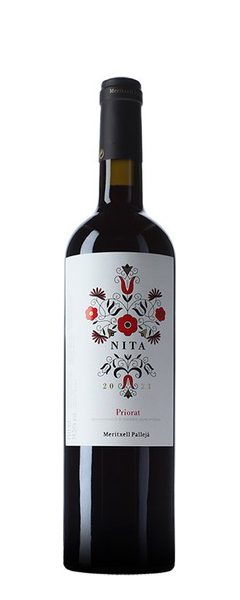 Meritxell Pallejà NitaPriorat · Garnacha, carignan, cabernet€29.50
Meritxell Pallejà
Gratallops · DOQ Priorat
Meritxell Pallejà released her first Nita in 2004 and, after a decade making it, founded her own winery in Gratallops in 2015. She is both owner and winemaker.
She works the vineyard and the land with respect, in small batches of terroir wines. Nita is best at 14-16 degrees and, if possible, decanted for half an hour.
Meat, slow-cooked dishes and aged cheeses.
Nita takes its name from Cal Nita, her grandmother's house.
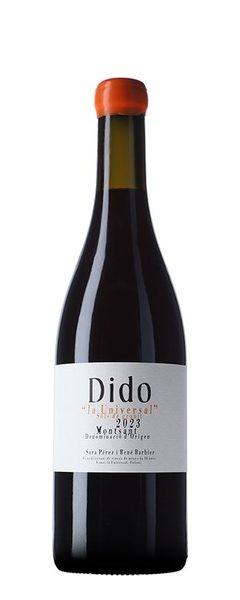 Venus La Universal DidoMontsant · Garnacha, syrah, merlot€30.50
Venus La Universal
Falset · DO Montsant
Sara Pérez, of the Mas Martinet family, and René Barbier, of Clos Mogador, created their own family winery in Montsant. Today they work with their children Ari, René, Leo and Gaia.
More than 10 hectares on granite, clay, limestone and slate. Organic farming with biodynamic practices; they work with large casks, amphorae and concrete. Dido: ripe black fruit, spice and herbs; round tannins and a fresh finish.
An easy-going wine made for enjoyment: it goes with almost everything, from croquettes to grilled meat.
Dido is their tribute to youth, tenacity, love and grenache. They even treat the vines with goat's milk whey.
 Pas CurteiPenedès · Merlot, cabernet, carignan€34.00
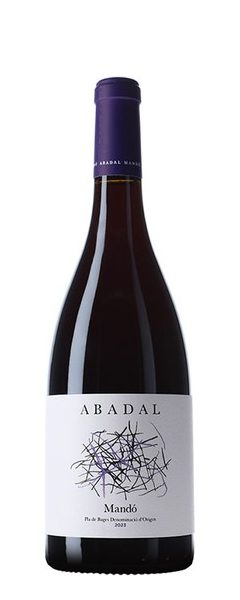 Abadal MandóPla de Bages · Mandó, a recovered variety€36.50
Abadal
Avinyó · DO Pla de Bages
The Roqueta family appears as winegrowers in documents from 1199. Valentí Roqueta founded Abadal in 1983 and chaired the DO Pla de Bages, created in 1995. In 1996 they released the first wine made only from picapoll.
Small plots and terraces surrounded by holm oaks, oaks and pines, on stony clay-limestone soils. Picapoll: citrus, pineapple, fennel and lavender. Mandó, from 50-60-year-old vines: flowers, spice and liquorice.
Picapoll with fish, seafood and rice; Mandó with surf-and-turf rice, mushrooms and meat.
Two donkeys, Torrent and Aya, help to look after the estate's landscape.
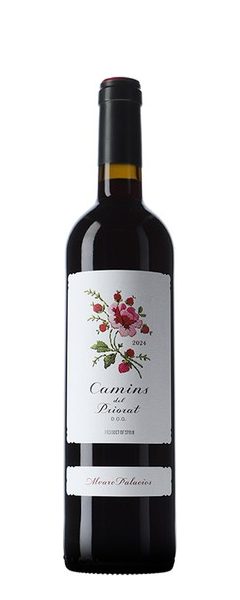 Álvaro Palacios Camins del PrioratPriorat · Garnacha, cabernet, merlot, carignan€41.00
Álvaro Palacios
Gratallops · DOQ Priorat
Born into a Rioja winemaking family, he arrived in Gratallops in 1989 and was one of the pioneers who revived the Priorat. Les Terrasses and L'Ermita were born there. Camins del Priorat followed in 2007; since 2023 his daughter Lola has worked with him.
Grapes from nine Priorat villages, grown on llicorella slate, where the steep slopes are worked with a mule. Fermented in wooden and cement vats. Red fruit, flowers and balsamic notes; broad and fresh on the palate.
Red meat, lamb and pasta. Served at 14-16 degrees.
Camins means paths: it is a map of the Priorat in a glass.
 Clos Figueres Serras del PrioratPriorat · Garnacha, carignan€38.00
 Mas Martinet Martinet BruPriorat · Garnacha, syrah, merlot, carignan€44.50
 Scala Dei PriorPriorat · Garnacha, carignan, cabernet, syrah€45.00
 Ferrer Bobet Vinyes VellesPriorat · Old-vine carignan and garnacha€45.50Luis Cañas CrianzaRioja · Tempranillo, garnacha€25.50glass €5.90
Luis Cañas
Villabuena de Álava · Rioja Alavesa
For over a century the family made young wine in the Cueva de los Curas. Luis Cañas (1928-2019) began bottling in 1970; in 1989 his son Juan Luis took over and focused on oak-aged wines.
Sheltered by the Sierra de Cantabria: some 450 hectares in over 1,000 plots on slopes of poor clay-limestone soil. Double selection, bunch by bunch and berry by berry. Red fruit, gentle spice, a sweet attack and a round finish.
Lamb and kid goat, grilled meat and cured meats. Served at about 16 degrees.
Carlos Cañas, the founder's father, carried the wine by mule cart to Bilbao and San Sebastián, more than 100 km away.
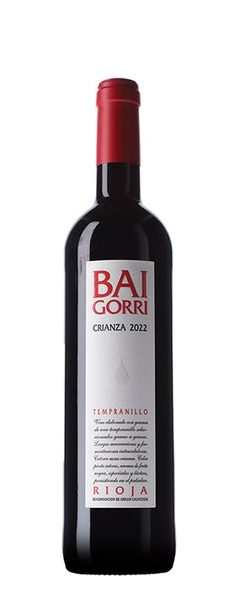 Baigorri CrianzaRioja · Tempranillo, garnacha, Samaniego€26.50
Baigorri
Samaniego · Rioja Alavesa
In Samaniego, at the foot of the Sierra de Cantabria. The winery, by architect Iñaki Aspiazu, is a glass box: beneath it lie seven underground levels, and the wine moves by gravity alone, with no pumps.
Bush vines at 520-620 metres on clay-limestone soils; the oldest plots date from 1920. Hand harvest, native yeasts, unfiltered. Black fruit and spice; elegant and silky.
Lamb, kid goat and grilled meat.
From outside you only see vineyards: the whole winery is hidden underground.
 Benjamín Romeo PredicadorRioja · Tempranillo, garnacha€43.50
 Marqués de Murrieta ReservaRioja · Tempranillo, graciano, mazuelo€40.00
 Roda ReservaRioja · Tempranillo, graciano€54.00
 El Puntido · Viñedos de PáganosRioja · Tempranillo€73.00
 AntídotoRibera del Duero · Tinta fina€33.50
 Finca Villacreces PrunoRibera del Duero · Tempranillo, organic€23.00
 Cepa 21Ribera del Duero · Tinto fino€37.00
 Pago de los Capellanes CrianzaRibera del Duero · Tempranillo€42.00
 Pago de CarraovejasRibera del Duero · Tempranillo, cabernet, merlot€57.00
 AaltoRibera del Duero · Tempranillo€59.00
While stocks last
 Clos MogadorPriorat · Garnacha, carignan, cabernet, syrah€129.00
 Descendientes de J. Palacios CorullónBierzo · Mencía€83.00
 La Rioja Alta Gran Reserva 904Rioja · Tempranillo, graciano, mazuelo€98.00
 Flor de PingusRibera del Duero · Tempranillo€190.00
 Vega Sicilia Valbuena 5Ribera del Duero · Tempranillo€195.00
Prices in euros, VAT included · Vintage subject to availability. Ask us about the wine of the month and bottles not on the list.


