

To speak of Manuel Vázquez Montalbán is to speak of Barcelona, of critical thought, and, inseparably, of gastronomy. Writer, journalist, and essayist, Montalbán understood food not only as pleasure, but as a cultural, political, and profoundly human act. In that personal map of flavors, ideas, and places, Can Lluís occupied a privileged spot.
A profoundly Barcelonian writer

Born in Barcelona in 1939, Manuel Vázquez Montalbán was one of the most lucid and challenging voices of contemporary Spanish culture. His work crosses genres—novel, essay, poetry, journalism—and always maintains a critical view of society, power, memory, and identity.
His connection with the city was real and everyday. He did not write about Barcelona from a postcard perspective, but from the neighborhood, from the bars, the restaurants, and the long conversations around a table. Therefore, it is not surprising that he was a regular at Can Lluís, one of the historic restaurants in the Raval neighborhood.
Can Lluís
Founded in 1929, Can Lluís has been a meeting point for neighbors, artists, journalists, and intellectuals for decades. Its traditional Catalan cuisine, honest and unpretentious, represents a way of understanding gastronomy as living memory.
Montalbán found there what he deeply valued: dishes with history, recognizable flavors, and an atmosphere where conversation and thought flowed naturally. Among his favorites were snails, canelones, traditional rice dishes, and, especially, cod fritters, one of the most emblematic specialties of the house.
Pepe Carvalho and cuisine as thought
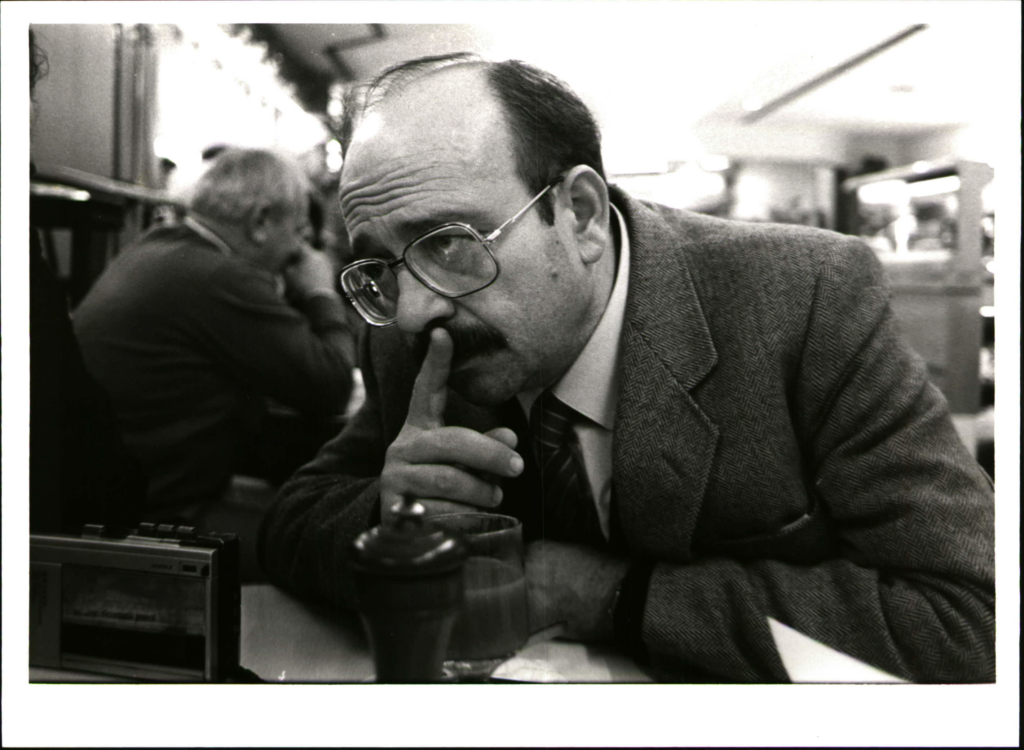
Montalbán’s gastronomic universe reaches its maximum literary expression through Pepe Carvalho, his most famous character. Private detective, ex-communist, and voracious reader, Carvalho breaks with the classic archetype of the noir genre by making cuisine an essential part of his identity.
In the novels of the series, cooking is not a decorative gesture: it is a way of thinking about the world. Carvalho reflects while cooking, analyzes reality while eating, and uses gastronomy as a critical language to talk about politics, culture, and social contradictions.
Gastronomy, identity, and cultural resistance
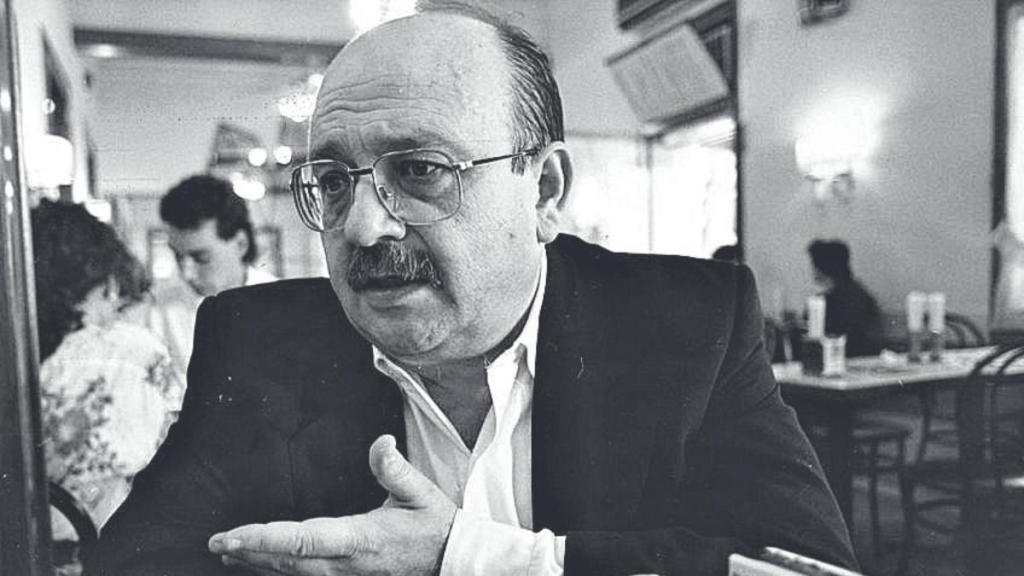
For Montalbán, eating well was not a superficial luxury, but an act of resistance against uniformity, loss of memory, and cultural trivialization. Defending traditional cuisine also meant defending a way of life, of neighborhood, and of collective identity.
Can Lluís embodied that idea: a place where popular cuisine remained true to its roots, far from fleeting fashions, and where the table continued to be a space for meeting and reflection.
A legacy that lives on
The relationship between Manuel Vázquez Montalbán and Can Lluís transcends the anecdote. It is the reflection of a Barcelona that thinks, that eats, and that remembers. A city where gastronomy can be literature and where a restaurant can become a space of cultural memory.
Today, to speak of Can Lluís is also to evoke Montalbán, Pepe Carvalho, and a way of understanding cuisine as something deeply linked to critical thought and the identity of the city.
Because, as he himself demonstrated throughout his work, eating is also a way of thinking.


