

Some places offer good food.
And then there are places where stories also unfold.
Over the years, the tables at Can Lluís have witnessed long conversations, profound silences, and moments that, unintentionally, become part of a city’s cultural memory. Among the influential figures who left their mark here was José Saramago.
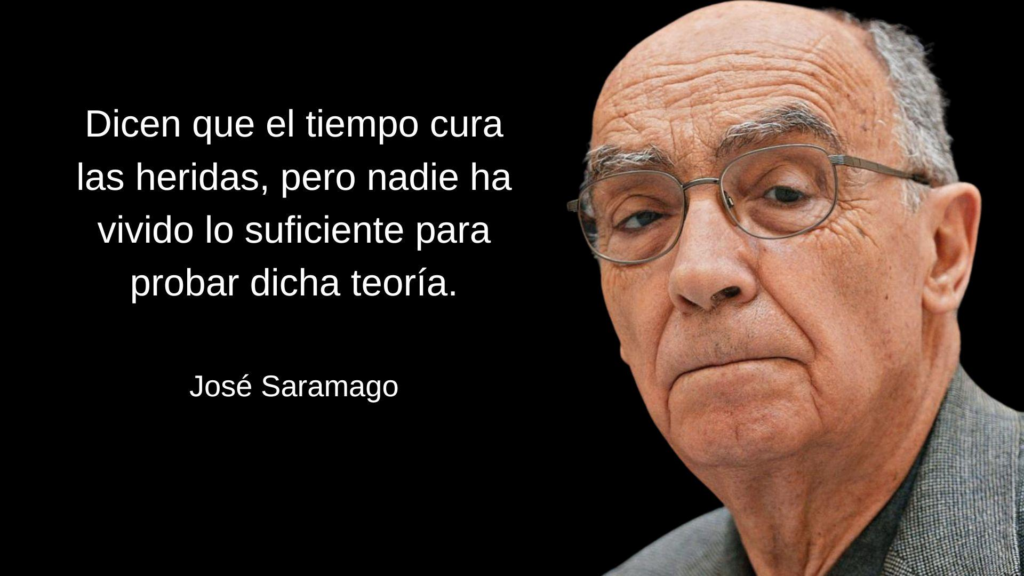
When José Saramago sat down at a table at Can Lluís
The Portuguese writer, Nobel laureate in Literature in 1998, was one of the most unique and thoughtful voices in contemporary literature. His writing style—unhurried, profound, almost meditative—always seemed to invite conversation. And for many years, Barcelona was a regular stop on his intellectual and literary journey.
In this context, Can Lluís was not simply a restaurant. It was a space consistent with his understanding of the world: unpretentious, with identity, with truth. A place where tradition is not a performance, but a way of doing things.
Imagining Saramago seated at one of our tables is not just thinking of a writer eating in Barcelona. It is imagining a man observing, listening, perhaps commenting on current events, literature, or the human condition while enjoying honest, authentic Catalan cuisine, without fanfare.

When José Saramago sat down at a table at Can Lluís
Saramago advocated for reflection over noise. And Can Lluís, since 1929, has been precisely that: a place where time slows down enough for conversation. Where food accompanies, but does not interrupt. Where the atmosphere allows ideas to flow.
It’s not about turning a visit into a myth. It’s about understanding that certain places naturally attract certain people. And that when a writer like José Saramago chooses to sit at a table, he does so because he recognizes something authentic there.
Today, that same authenticity remains alive.
Because beyond the illustrious names, what endures is the essence: a cuisine with roots, an atmosphere with history, and a table always ready to host new conversations.
And perhaps, just like back then, some of them will eventually become literature.


